Technical Workflow Development for SEO Teams

API-driven SEO leverages to automate and boost numerous SEO tasks. Instead of relying exclusively on manual processes, this technique utilizes code to communicate with various SEO tools and data sources.
: Manage SEO efforts throughout several websites and pages efficiently.: Access and analyze red-hot data to make informed decisions. Unlike traditional SEO, which typically includes manual data collection and analysis, API-driven SEO emphasizes programmatic access to information and automated execution of jobs. This shift minimizes the time invested on recurring information collection while keeping the exact same level of detail and control over the output.
Today's SEO landscape is increasingly complicated. Search algorithms develop constantly, and the volume of data to examine can be overwhelming. Handbook SEO jobs simply can't maintain. API-driven SEO offers a service by:: Managing massive SEO campaigns becomes more manageable.: Real-time data analysis results in more effective methods.
Mastering Professional Efficiency in Link Workflows
API-driven workflows are central to programmatic, product-led, and programmable SEO strategies.: APIs make it possible for the automated generation of landing pages and material based upon data.: APIs permit you to integrate SEO insights directly into your product development process.: APIs provide the flexibility to tailor and automate every aspect of your SEO workflow.
In the next section, we'll explore some vital APIs that are vital for SEO experts seeking to automate and scale their efforts. APIs resemble digital Lego bricks, permitting different software application systems to connect and share information. Understanding the fundamentals of APIs is important for SEO professionals aiming to leverage the power of automation and data.
Think about them as digital messengers that deliver requests and responses between systems. For non-technical marketers, an API is basically a way for one piece of software application to ask another piece of software for info or to carry out a task.: These specify URLs where an API "lives." When you desire to gain access to information or performance, you send a demand to a particular endpoint.
They typically include particular criteria to filter or specify the information you need.: This is the information the API returns after receiving a request, generally in a structured format like JSON or XML.: This is the process of confirming your identity to guarantee you have authorization to access the API.
The Future of Professional SEO Workflows
Common API formats consist of, which is widely used for its simplicity and prevails for lots of data retrieval APIs, and, which offers more versatility in specifying information requirements, making it useful for complex questions involving multiple data points from a single API call. Numerous APIs are essential for SEO experts wanting to automate and scale their efforts.
You might use this API to automate daily rank tracking reports or identify underperforming queries for content optimization.: Provides insights into the efficiency of your web pages, along with suggestions for improvement. This can be used to immediately examine page speed across your entire website and flag pages requiring attention.
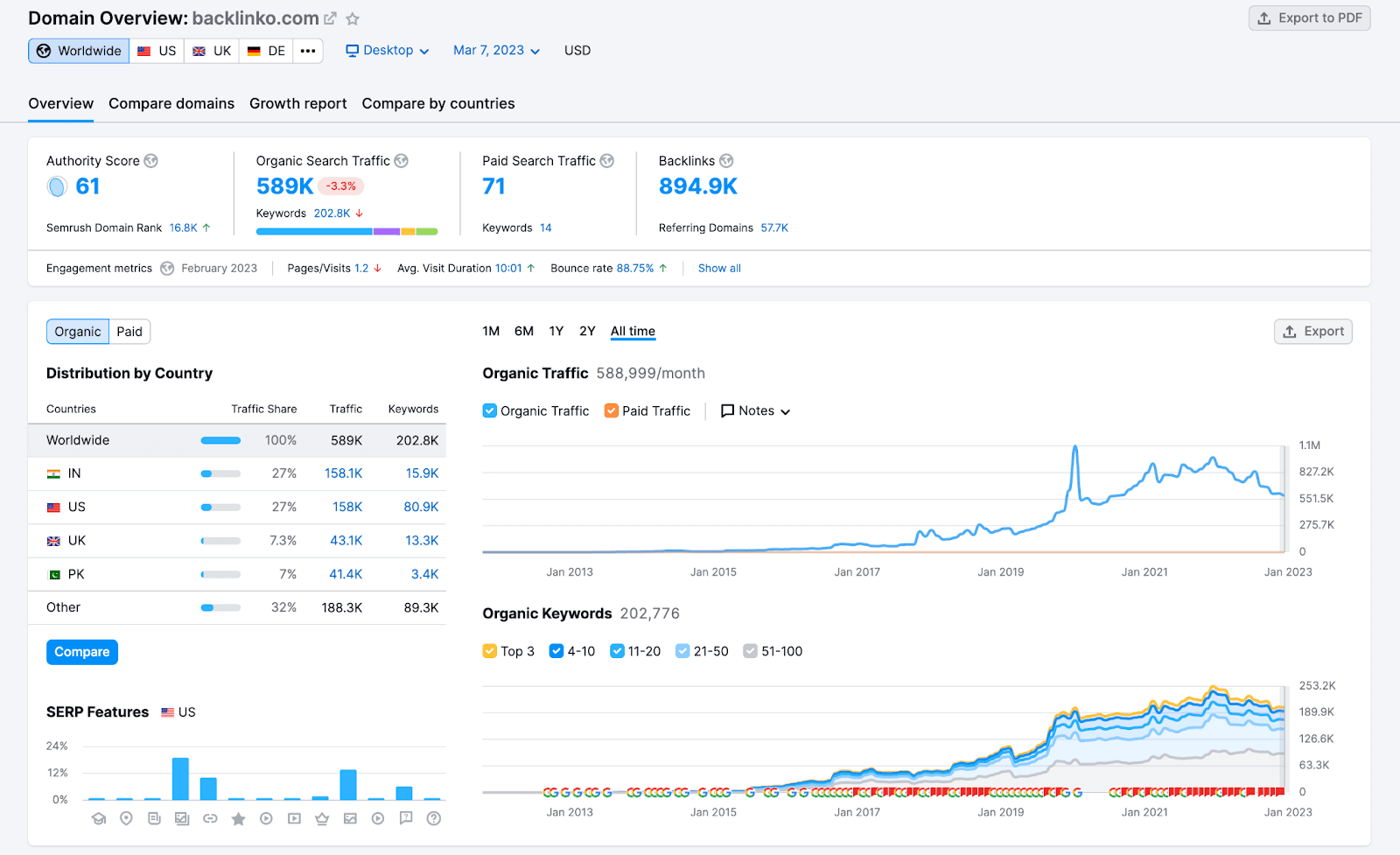
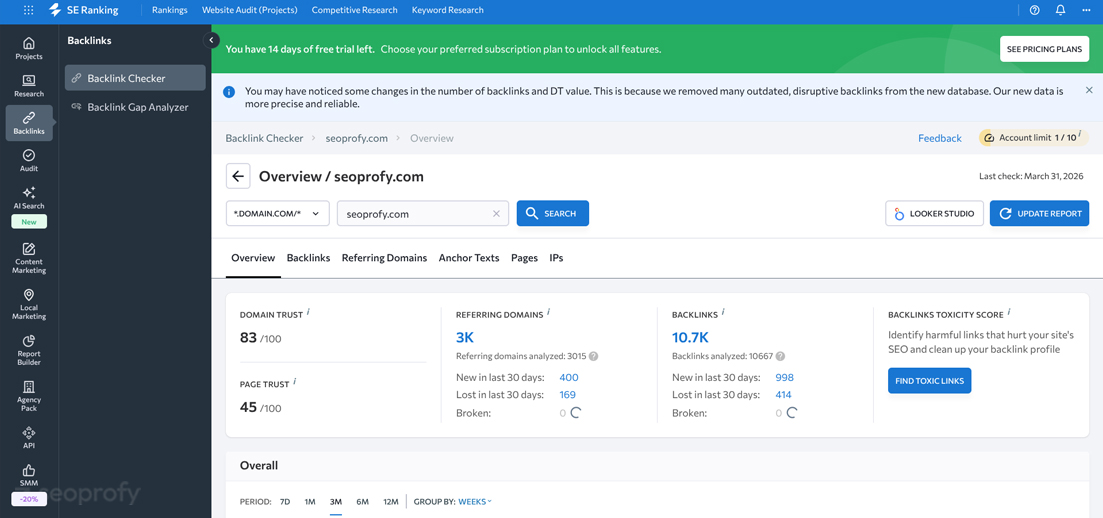
You can automate the production of weekly efficiency reports that emphasize traffic sources driving the most conversions. Third-party SEO tools likewise provide important APIs.: Offers information on backlinks, keyword rankings, and competitive analysis. Utilize this to build custom dashboards that track your backlink growth and rival link-building strategies.: Offers insights into keyword research, website audits, and rival analysis.
restore GSA SER project from .ser fileStrategic Workflow Building for SEO Pros
: Gives access to metrics like Domain Authority, Page Authority, and keyword rankings. Integrate this data into your content management system to guarantee brand-new short articles satisfy authority criteria.

: Here's a simple Python example using the demands library to fetch information from an API: import demands reaction = -LRB-''-RRB- print(()): API documentation provides important info on how to utilize the API, including readily available endpoints, required specifications, and response formats. Rate limitations are restrictions on the variety of demands you can make within a certain time period, ensuring reasonable use and preventing abuse.
Next, we'll dive into structure useful API-driven SEO workflows. API-driven SEO workflows can drastically lower the time invested in regular tasks. Let's explore how to build these workflows with practical examples that can change your SEO technique. Among the most lengthy SEO tasks is keyword research. However, APIs can automate the process of extracting keyword information from multiple sources, making it much faster and more effective.
By combining the Google Trends API with other SEO tool APIs, you can identify trending keywords and long-tail opportunities in real-time. Imagine a healthcare business utilizing APIs to identify trending search terms related to telehealth, enabling them to rapidly enhance their content for appropriate inquiries. APIs aren't just for information retrieval; they can also enhance content production and optimization.
Proven Methods for Technical Workflow Mastery
APIs can examine existing material and offer ratings based on readability, keyword use, and other SEO factors, providing suggestions for improvement. Ai-powered APIs like OpenAI can generate material briefs based on target keywords and audience, enhancing the content creation process. APIs can instantly update content based upon real-time information, such as prices changes or product schedule, making sure precision and significance.
restore GSA SER project from .ser fileTechnical SEO can be complex, however APIs can automate many monitoring and auditing jobs. By utilizing APIs, you can determine and attend to technical concerns more efficiently.: Use the PageSpeed Insights API and Lighthouse API to automate website audits, identifying performance traffic jams and SEO problems. APIs can keep an eye on website efficiency metrics like load time, crawl mistakes, and broken links, offering real-time insights into potential issues.
Beyond content briefs, ai-powered APIs can be used for other tasks too. For example, natural language processing (NLP) APIs can analyze customer evaluations for sentiment, assisting you comprehend what users like and dislike about your products. Maker learning (ML) APIs can even forecast future keyword patterns, giving you a heads-up on emerging topics.